

Bitcoin Payments in 2026: How Cryptocurrency is Transforming Online Transactions, from E-Commerce to Online Casino Bitcoin Platforms in the USA
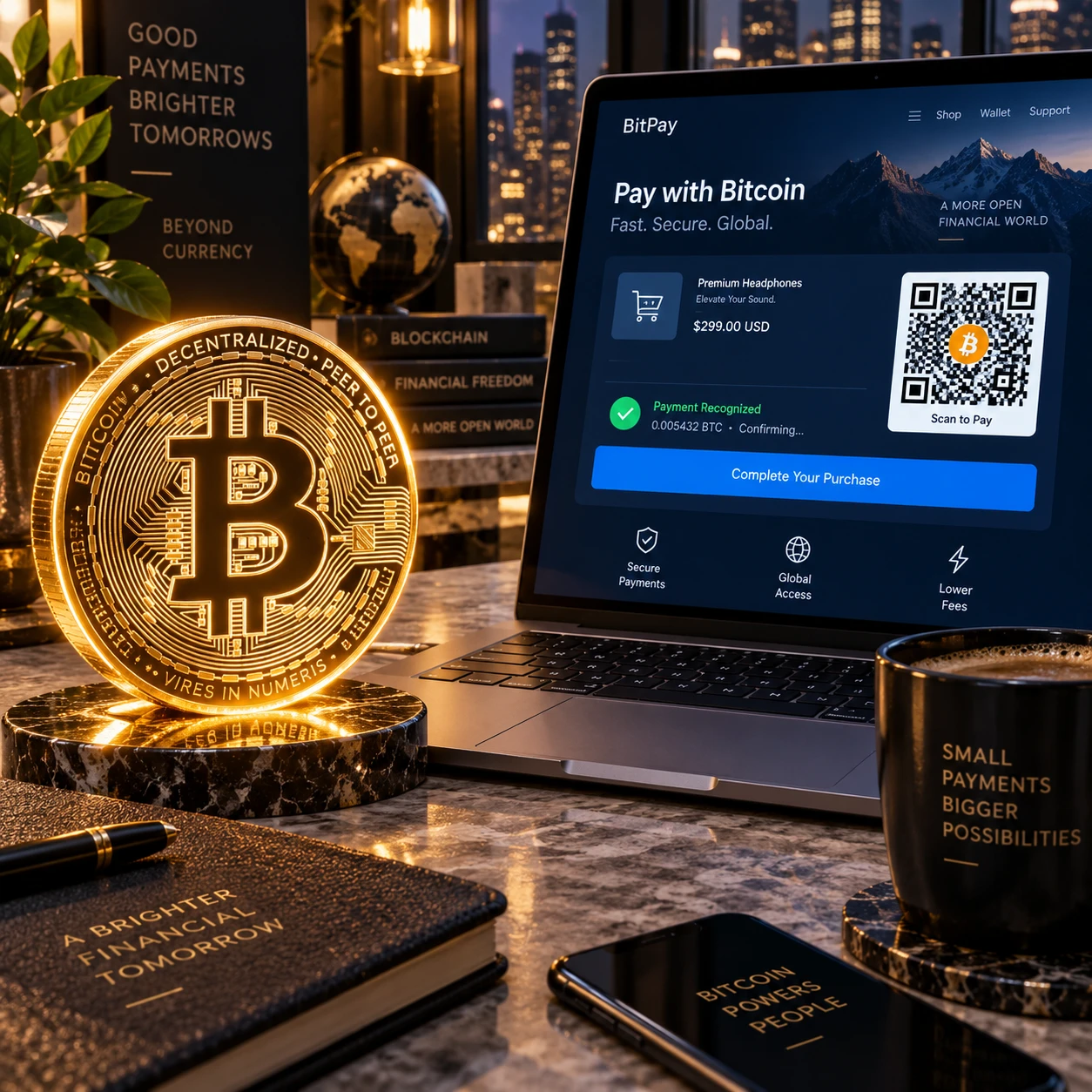
I've been watching the crypto payments space for years now, and honestly, 2026 feels different. Bitcoin isn't just something people buy and forget about anymore — it's actually sitting in people's wallets as usable money for everyday purchases. I've paid for groceries, booked a hotel, and yes, deposited funds on a gaming site using nothing but Bitcoin, all in the past few months. What used to feel experimental now feels... normal. Almost boring, in a good way.
This shift didn't happen overnight. Merchants spent years testing the waters, consumers stayed skeptical about volatility, and the infrastructure just wasn't there to make transactions smooth. But somewhere between better wallet apps, smarter payment processors, and a public that finally got comfortable with digital currency, Bitcoin payments crossed into mainstream territory. It took a while. Longer than most people expected, if I'm being honest.
Why 2026 Is a Turning Point for Crypto Payments
A few things lined up at once this year. US regulators finally gave clearer guidance on how businesses should handle crypto payments, and that cleared a lot of the legal fog that kept smaller merchants on the sidelines. Wallet providers leveled up too — apps that used to feel clunky now offer one-tap payments with real-time price conversion built right in.
And institutional players, from major banks to payment giants, started backing Bitcoin infrastructure in ways that gave everyday users more confidence. Put it all together, and you get a payment method that's finally practical for daily use. Not just a speculative bet anymore.
How Bitcoin Payments Work for Online Purchases
If you've never sent Bitcoin for a purchase, the process is simpler than it sounds. You scan a QR code or paste a wallet address, confirm the amount, and the transaction broadcasts to the Bitcoin network. Miners (or validators, depending on the network layer) confirm it, and within minutes — sometimes seconds with newer solutions — the merchant sees the funds land.
Behind the scenes, payment processors handle the heavy lifting. They convert Bitcoin to dollars instantly if the merchant wants to dodge volatility exposure, or they let the business hold it in crypto if that's their preference. Either way, the shopper just sees a confirmation screen. Not that different from checking out with a credit card, really.
Wallets, Exchanges, and Payment Gateways Explained
On the consumer side, you'll need a wallet — either a 'hot' wallet (connected to the internet, convenient for frequent use) or a 'cold' wallet (offline, more secure for larger holdings). Most people buy their Bitcoin through an exchange, then move smaller amounts into a hot wallet for spending. Simple enough once you've done it a couple times.
Merchants typically plug gateways like BitPay or Coinbase Commerce into their checkout flow. These tools handle the conversion, fraud checks, and reporting, so a small e-commerce shop doesn't need a blockchain developer on staff just to accept crypto.
Bitcoin in E-Commerce: Benefits for Shoppers and Retailers
I'll admit, the appeal here is pretty straightforward once you've used it a few times. Transaction fees are often lower than credit card processing fees, and that matters a lot for retailers running tight margins. Chargeback fraud — a massive headache for online sellers — basically disappears because Bitcoin transactions are final and don't allow the same kind of dispute reversals.
For international shoppers, the benefits are even bigger. Sending Bitcoin across borders skips the currency conversion fees and multi-day bank transfers entirely. And for buyers who care about privacy, Bitcoin purchases don't require handing over a full billing address and card number to every website they shop on. That alone is worth something.
Bitcoin and the Online Gambling Industry in the USA
Nowhere has crypto adoption moved faster than in online entertainment and gaming. US-based gaming platforms have leaned into Bitcoin because it solves two problems that have plagued the industry forever: slow payouts and privacy concerns. Traditional banking rails can take days to process a withdrawal, but Bitcoin transactions settle in minutes. It's not even close.
I've noticed more players doing their homework before picking a platform, cross-referencing licensing details and regulatory info instead of just clicking the first site that pops up. Resources covering the online casino bitcoin landscape have become a go-to stop for people trying to figure out which platforms are legit, how deposits and withdrawals actually function, and what to watch out for before committing real funds. It's a smart habit — crypto gaming moves fast, and a little research goes a long way.
Why Players Choose Crypto Over Traditional Payment Methods
Speed is the biggest draw, hands down. Deposits clear almost instantly, and withdrawals that used to take three to five business days through a bank now happen within the hour. Fast. Really fast, compared to what players dealt with before.
Beyond speed, there's the anonymity factor — players don't need to hand over sensitive banking details to every platform they try out. And fees tend to run lower across the board, since Bitcoin transactions skip the layers of intermediaries baked into card processing.
Risks and Challenges of Using Bitcoin for Transactions
None of this comes without trade-offs, and I think it's worth being honest about that part. Bitcoin's price can swing hard within a single day, which means a payment that felt reasonable in the morning might look pretty different by evening if you're holding rather than spending right away. Security is another concern — phishing attempts and wallet hacks remain a real threat, especially for users who aren't careful with their private keys.
Then there's the regulatory landscape, which, while clearer than it was a few years back, is still evolving. Different states run different rules around crypto transactions, and businesses need to stay on top of compliance requirements that can shift from one legislative session to the next. Not exactly a settled picture yet.
Best Practices for Safe Bitcoin Transactions
Over time I've picked up a few habits that make crypto payments feel a lot safer:
- Stick to reputable, well-reviewed exchanges rather than obscure platforms promising unrealistic bonuses.
- Turn on two-factor authentication for every wallet and exchange account you use.
- Double-check merchant legitimacy before sending payment — look for reviews, licensing info, and a real customer support channel.
- Keep your wallet software updated, since security patches often address vulnerabilities before they're exploited.
- Only keep spending money in a hot wallet; store larger amounts in cold storage.
The Future Outlook for Bitcoin Payments in the USA
Looking ahead, I expect Bitcoin payments to keep expanding into retail, travel, and entertainment sectors that haven't fully embraced crypto yet. The Lightning Network is making microtransactions nearly instant and nearly free, which solves one of Bitcoin's long-standing complaints. Stablecoins are also playing a bigger role, giving merchants and consumers a way to transact in crypto without worrying about price swings every time they check their balance.
Honestly, I think we're just at the beginning of this shift. The infrastructure is finally mature enough, the regulations are clearer, and consumer trust is catching up fast. Whether you're buying a plane ticket, shopping online, or exploring crypto-friendly gaming platforms, Bitcoin payments in the USA aren't a novelty anymore. They're becoming part of how people transact every single day — and that's not changing anytime soon.