


The Future of Movie Theaters in the Age of Streaming Giants
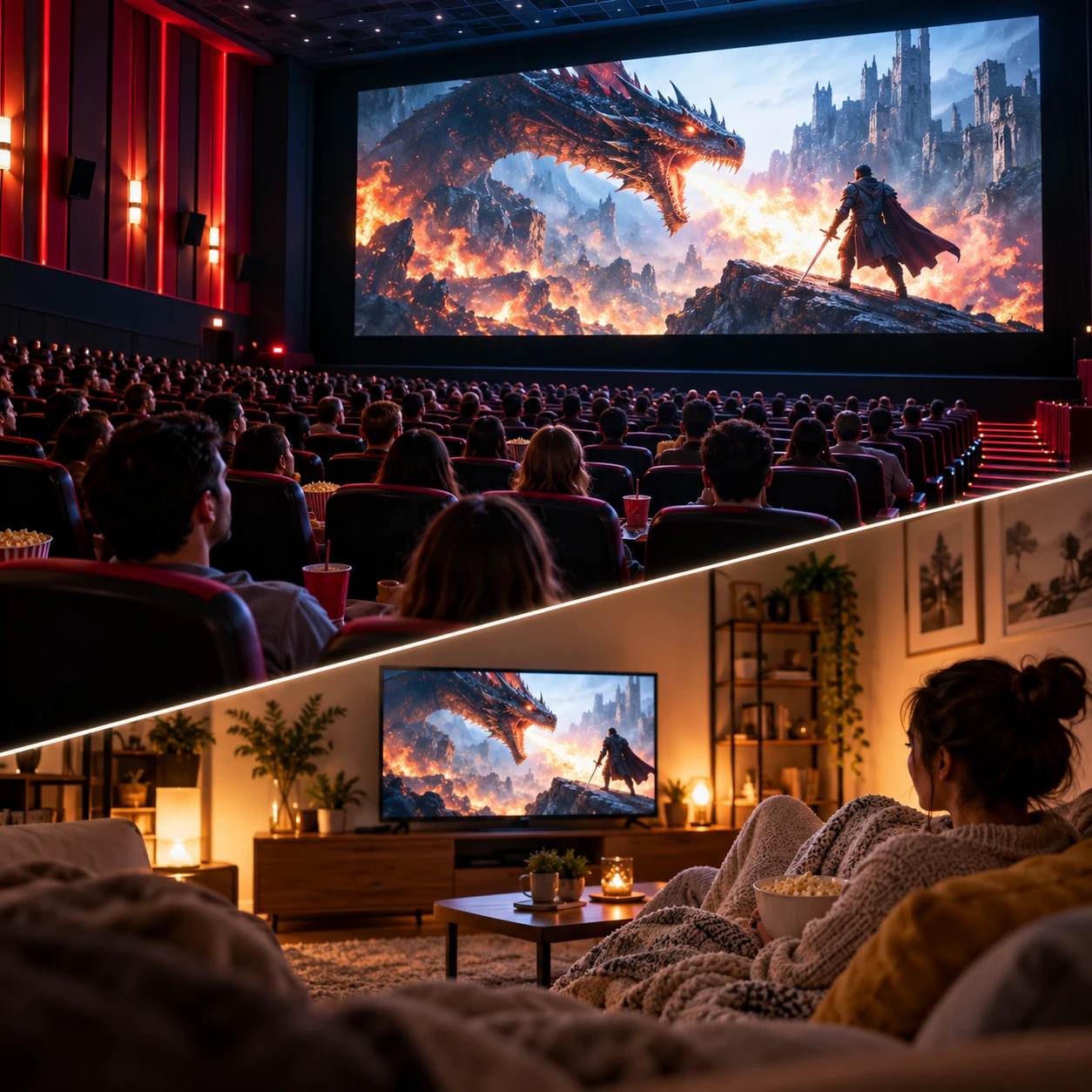
Movie theaters face a different kind of competition today. A new film may arrive in a cinema, on a streaming service, or eventually in both places, while audiences weigh the outing against the ease of watching at home. The theater’s future will depend less on trying to recreate the living room and more on offering a compelling reason to leave it.
Streaming has reset expectations around access and convenience, but it has not erased the appeal of a giant screen or a room full of people reacting together. The likely path is a changing mix of theatrical releases, evolving release windows, and viewing options that serve different occasions.
How Streaming Has Changed Moviegoing
Streaming services have made films easier to watch on demand, so moviegoers now expect more control over when and where they see a new title. Theaters must compete with that convenience while giving audiences a distinct experience.
At home, viewers can pause a film, choose a familiar screen, and watch without planning around showtimes or travel. Subscription models can make a broad library feel readily available, though the exact titles and costs vary by service. For many households, streaming is the practical choice for a casual weeknight movie.
That convenience also changes how people decide whether a film merits a theater trip. A visually ambitious story, a highly anticipated franchise installment, or a film best experienced without distractions may feel worth the extra effort. A smaller release may be easier to postpone until it becomes available at home.
The shift is not simply a contest over screen size. It is a change in the threshold for going out: audiences increasingly ask whether the film, the venue, or the occasion makes the trip worthwhile. Theaters can respond by improving the outing and communicating what makes a particular theatrical release special, rather than treating every title as an equal draw.
What Theaters Still Offer That Streaming Can’t
Movie theaters offer scale, calibrated sound, and a shared viewing experience that most home setups cannot fully reproduce. Those qualities matter most when a film is designed to fill a room and hold an audience’s attention.
A large screen changes how viewers take in detail, movement, and spectacle. Premium formats such as IMAX can make cinematography and sound feel more expansive, while a well-equipped standard auditorium still gives a film a sense of scale that a phone or television may lack. The trade-off is that premium tickets often cost more, so the added experience needs to feel meaningful.
There is also a social element. A comedy lands differently when a crowd laughs at once; a tense scene can feel more intense when the room goes quiet together. The audience is part of the occasion, even when nobody speaks to the people seated nearby.
At-home viewing has real strengths: comfort, flexible timing, and control over the environment. Theaters cannot match those conveniences for every viewer or every film. Their advantage is a focused, collective experience that can turn watching into an event, especially for films whose sound and imagery reward an attentive audience.
The Changing Relationship Between Theaters and Studios
Film studios shape where audiences see new movies through theatrical releases, release windows, and later availability on streaming services. The timing affects both the theater’s chance to build momentum and the viewer’s decision to buy a ticket now or wait.
A release window is the period between a film’s theatrical debut and its availability through other channels, such as digital rental or a streaming subscription. There is no single schedule that suits every film. A title with strong audience demand may benefit from a sustained cinema run; another may reach viewers more effectively through a shorter theatrical period followed by at-home access.
For theaters, a clear window can help create urgency: see the film on a big screen while it is there. For studios, the balance involves multiple ways to reach audiences and earn revenue. A window that feels too short may encourage some viewers to wait, while a longer wait for home viewing may frustrate people who cannot easily attend a screening.
These choices also influence audience habits. When viewers know a film will reach a streaming service soon, some delay their purchase. When a theatrical run builds conversation and a sense of occasion, others may choose to see it with a crowd first. The relationship works best when theatrical and streaming plans support a film’s audience rather than treating the two formats as automatic substitutes.
How Theaters Can Give Audiences a Reason to Return
Theaters can attract moviegoers by making the visit feel distinctive, comfortable, and worth its price. Premium formats, special events, thoughtful programming, and reliable service can each strengthen the case for going out.
IMAX and other premium formats are one option, particularly for films with large-scale visuals or carefully designed sound. But the format alone cannot carry every screening. A theater should help audiences understand what the premium experience adds, while keeping standard showings appealing to people who want a lower-cost ticket.
Events can give a screening a sense of occasion that home viewing does not naturally provide. Possibilities include classic-film nights, filmmaker or cast discussions, themed double features, anniversary screenings, and local film festivals. These programs also give cinemas ways to serve audiences between major studio releases.
Comfort and service remain basic parts of the offer. Clean auditoriums, comfortable seats, clear booking information, dependable sound, and showtimes that fit local routines remove reasons to stay home. Theaters may also consider ticket bundles or membership plans, but subscription models need careful pricing: a deal that increases visits can still disappoint if popular screenings are hard to book.
A useful test for any change is simple: Does it improve the film, the occasion, or the ease of attending? If it does none of those, it may add expense without creating a stronger reason to return.
The Challenges Theaters Need to Navigate
Theaters must contend with at-home convenience, the total cost of an outing, and competition for people’s limited free time. No single upgrade can remove those pressures, and their impact differs by audience and location.
A cinema visit can involve more than a ticket: transport, parking, food, and time all factor into the decision. For families or groups, the total can rise quickly. Raising prices to cover costs may protect revenue per visit, but it can also make casual outings harder to justify. Clear value, accessible showtimes, and options at different price points matter.
Convenience is another real constraint. A viewer can start a film at home without coordinating schedules or traveling. Theaters can improve booking and entry, but they cannot offer the same freedom to pause, choose any start time, or watch in private. Their response has to be a better occasion, not a promise to eliminate every inconvenience.
Programming is difficult, too. Relying heavily on a small number of major releases can leave a cinema vulnerable when audience interest shifts or a release calendar is thin. Yet niche programming may not fill every auditorium. A mix of broad-appeal titles, local events, repertory screenings, and carefully selected independent films can spread risk, though each venue needs to tailor that mix to its community.
A Future Where Theaters and Streaming Coexist
Movie theaters and streaming services can coexist by serving different viewing needs: cinemas offer a focused communal event, while home viewing offers flexible access. The balance will vary by film, audience, and release strategy rather than settle into one permanent pattern.
Some films will be built for theatrical scale, while others may find their audience through a streaming-first or shorter theatrical release. Many titles can work in both settings, with the release window helping viewers choose whether to see them with a crowd now or watch later at home. That choice is part of a broader film culture, not necessarily a verdict on cinemas.
For theaters, the most practical strategy is to be selective about what they promise. Premium formats should serve films that benefit from them. Events should add context or community. Everyday screenings should be comfortable, dependable, and priced with the local audience in mind. The aim is to make the theater visit feel intentional, not merely available.
Streaming has changed the default way many people discover and watch films. Theaters remain relevant when they offer something distinct: a large screen, immersive sound, and the feeling of sharing a story in real time. Both options can have a place, and the strongest future for moviegoing leaves room for audiences to choose the setting that suits each film and occasion.